


Personal Banking Services for Everyday Financial Needs


Personal Banking Solutions
BankUnited delivers personalized financial solutions that combine flexibility, accessibility, and expert support. From everyday banking to long-term savings strategies, our offerings are built to grow with you. Discover how our personal banking services can help you manage, save, and plan with confidence.
Your Banking Essentials
Checking Accounts That Keep You Moving
Our checking accounts are designed to simplify your financial routine while offering valuable features that go beyond the basics. Whether you prefer a straightforward account or one with added rewards, you'll find options that support your goals. Enjoy
convenient access through online banking and our mobile banking app, along with tools that help you stay on top of your spending. With reliable service and flexible features, managing your money becomes second nature
Compare Checking Accounts


Reach More With Savings
High-Yield Savings for Long-Term Growth
Make your money work smarter with savings options that reward you for building your balance. We offer high-yield savings account choices designed to help you grow your funds over time while maintaining access when you need it. Whether you're saving for
short-term goals or building a financial cushion, our accounts provide both security and growth potential. It's a simple way to take your savings further.
Compare Savings Accounts
Savings With Staying Power
Certificates of Deposit and Money Market Accounts
Plan for the future with secure savings solutions like CDs and money market accounts. These accounts offer predictable growth and are ideal for long-term financial planning.
- Competitive interest rates
- Flexible term options
- Reliable long-term growth


Banking Built For Convenience
Digital Banking Tools
Take control of your finances wherever you are with our digital tools. From opening an online bank account to managing transactions, everything is designed for ease and security.
- 24/7 account access
- Zelle®
- Secure online banking platform
- Easy bill pay options
Benefits of Checking Accounts
Our checking accounts are built to simplify daily banking while offering flexibility and convenience. Enjoy features that make managing your finances easier at every step.

Send money with Zelle®

Online Bill Pay

Mobile Check Deposit

FDIC Insured
Personal Banking Account Options


Personal Banking Expertise That Works for You
We believe personal banking should feel personal. That’s why we focus on building relationships, understanding your goals, and delivering solutions that fit your life. Our experienced team is here to provide guidance, answer questions, and help you navigate everything from everyday banking to long-term planning.

Local Decision Making

Relationship Approach

Dedicated Team
Personal Banking FAQs
Find answers to common questions about personal banking services, accounts, and lending options at BankUnited.
Our customer support team and local branch representatives are available to assist you with any questions or banking needs.
We use advanced security measures, including encryption, fraud monitoring, alerts, and multi-factor authentication to help keep your accounts safe.
With mobile deposit, you can quickly and securely deposit checks using your smartphone through our mobile banking app.
Yes, you can access your funds through a network of ATMs, including the AllPoint network of ATMs. Some accounts may offer fee reimbursements for out-of-network ATM usage.
Minimum balance requirements vary by account type. We offer options to suit different financial needs and preferences.
Yes, our digital banking platform allows you to check balances, transfer funds, pay bills, deposit checks, and manage your accounts securely from your computer or mobile device.
You can open an account online or at a local BankUnited branch. Typically, you’ll need a valid government-issued ID, Social Security number, and basic personal information.
We offer a variety of personal checking, savings, and money market accounts designed to fit your everyday banking needs and long-term financial goals.
We're Here to Help You
Have a question about our products or services? We’ve got multiple ways you can get in touch with a Client Care Center representative.


Featured Insights
Get insights on starting and managing cash flow, protecting your assets, stories from real clients, and much more.
6 Key Tips to Maximize Your Health Savings Account (HSA)
Mar 17, 2025, 12:41 PM
Title :
6 Key Tips to Maximize Your Health Savings Account (HSA)
Bank united author :
BankUnited
Featured :
No
Display order :
1
Learn how to take the most advantage out of your HSA account!
Healthcare costs continue to rise, and more people are looking for ways to afford quality care and manage out-of-pocket expenses.
For those who qualify, a Health Savings Account (HSA) is a simple way to set aside funds for eligible healthcare expenses, now and in the future. But an HSA can do a lot more than help you cover the next medical bill.
When you apply a few simple strategies, it can become a long-term tool for tax-advantaged medical savings, a useful way to handle unexpected expenses and a flexible part of your broader budgeting plan.
Here are six ways to use an HSA more effectively, from contributions to spending to long-term planning.
1) Confirm you qualify and understand the basic rules
To contribute to an HSA, you generally need to be covered by a high-deductible health plan (HDHP) and meet a few additional eligibility rules.
Your employer benefits portal, plan documents or insurer can usually tell you whether your coverage meets the definition of an HDHP. If you recently changed jobs or changed plans, double-check eligibility before you contribute.
If your coverage is more complex, for example you have more than one type of health coverage, it’s worth confirming how the rules apply to you before money is added to the account.
2) Make contributions easier with pre-tax payroll deductions
If your employer offers HSA contributions through payroll, choose pre-tax payroll deductions. This can lower your taxable income for the year.
A few additional details to watch:
- Annual contribution limits apply to the total contributed for the year, including employer contributions.
- If you change employers or switch coverage during the year, track what has already been contributed so you do not exceed the limit.
- If payroll deductions are not available, you may still be able to contribute directly. In many cases the tax benefit is handled when you file your taxes.
If you receive employer contributions, it helps to understand how they are deposited. Some employers contribute per pay period, while others deposit a lump sum on a set schedule. If you are trying to reach a specific annual contribution target, those timing differences matter.
It’s good practice to review your payroll deduction amount at least once a year. Life events such as a new dependent, or a shift in unexpected medical expenses can affect how much you’ll want to set aside. A quick adjustment during open enrollment can keep your contributions aligned with your needs for the year ahead.
3) Set up your account for real life: spending and saving can both be goals
Healthcare expenses can be unpredictable, so it helps to have dedicated funds ready in an HSA account when you need them.
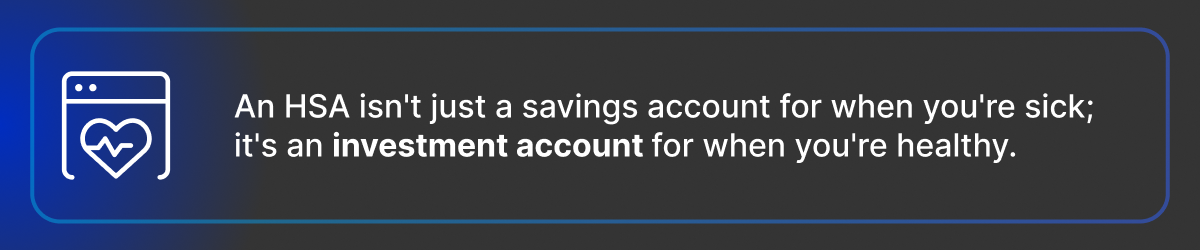
An HSA can also function as an investment account. In that way, it can feel similar to a 401(k), where you contribute money, then decide whether to keep it liquid or invest some of it for longer-term needs. If you set up your HSA through work, contributions are often deducted from your paycheck pre-tax and you may be able to choose from a menu of investment options. If you set up an HSA on your own, investment choices can vary by financial institution.
A good way to maximize the benefits of the account is to separate money you might spend soon from money you want to save for later. Keep a cash cushion for the healthcare costs you expect in the next year, plus a buffer. If you plan to use your HSA for regular expenses, an HSA checking account setup can make it easier to pay, reimburse yourself and track activity.
Then, if your HSA offers investing features, consider using them for dollars you do not expect to need soon. This is where an HSA investment strategy comes in. A sensible starting point is to keep your short-term cushion in liquid and only invest the portion you are comfortable leaving alone for several years.
4) Keep withdrawals simple: stick to eligible expenses and keep good records
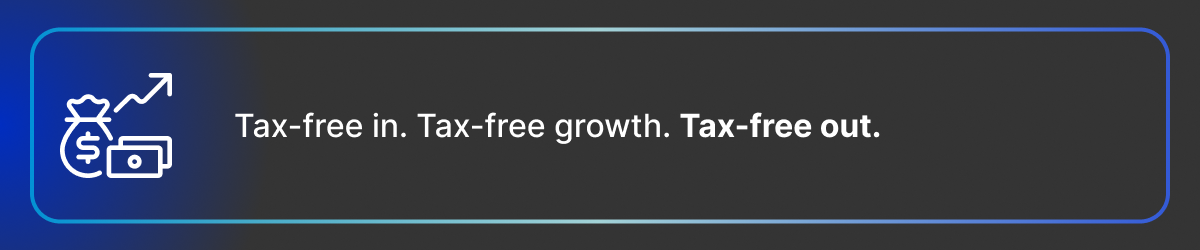
HSAs can provide strong tax advantages, but doing so requires following a specific set of rules. Withdrawals are generally not taxed when the money is used for qualified medical expenses.
Two habits make this easier:
- Confirm an expense is eligible before you pay.
- Save receipts and statements in one place so you can support withdrawals later if needed.
This is especially helpful if you reimburse yourself after the fact. A quick folder system, paper or digital, can save time and headaches later.
5) Take advantage of flexibility: HSAs can roll over and stay with you
An HSA is built for long-term use. Funds can generally roll over from year to year, and the account is typically yours even if you change employers. And unlike some retirement accounts, HSAs do not require you to start taking withdrawals at a certain age.
That flexibility gives you some options. Depending on your goals and cash flow, you might want to:
- Build a reserve for future medical costs.
- Pay some current expenses out of pocket and let the HSA balance grow.
- Keep funds available for eligible expenses later.
Some people prefer to use the HSA frequently for today’s expenses. Others treat it as a longer-term reserve. Either approach can work, as long as you stay within the rules and keep clear records.
6) Know the difference between HSAs and FSAs and avoid common mistakes
HSAs and flexible spending accounts (FSAs) may look similar on paper, but they are actually very different.
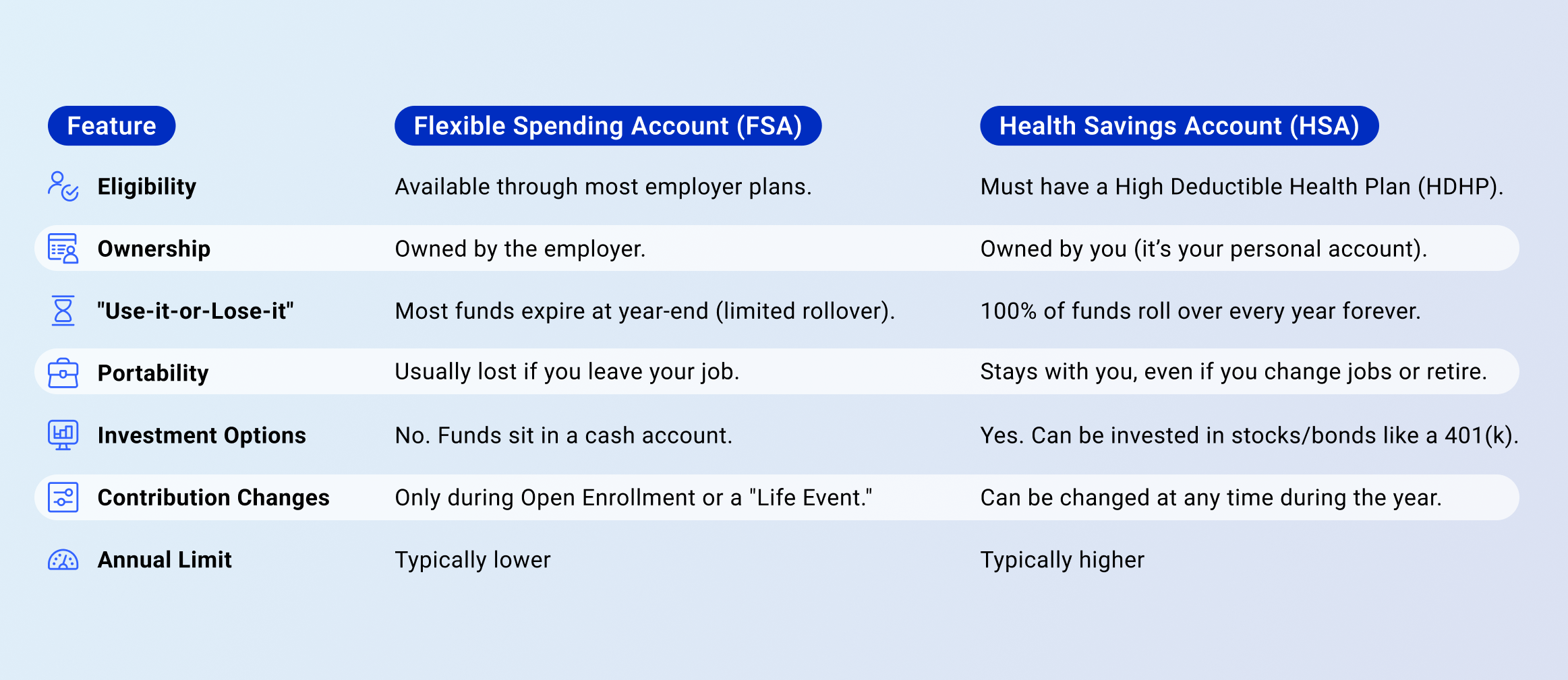
They differ in who owns the account, how contributions work, what happens if you change jobs and whether funds can be carried forward. If you are deciding between them, start with eligibility and how likely you are to use the funds each year.
Common HSA mistakes to avoid:
- Contributing without confirming HDHP eligibility
- Overcontributing because employer deposits and personal deposits were not tracked together
- Using funds for expenses that do not qualify
- Skip saving receipts, then struggling to be able to document distributions later
A quick check of eligibility, contribution totals and receipts prevents most issues.
How BankUnited can help
Managing your healthcare should be as seamless as managing your bank account. By choosing an HSA structure that aligns with your lifestyle, you can effortlessly balance day-to-day medical costs with your long-term wealth goals.
Putting these tips to work
An HSA is more than just a savings account; it’s a strategic tool for financial wellness. When you pair consistent contributions with a clear spending plan, you're not just paying for doctor visits—you’re investing in your future.
Ready to get started?
Once you’ve confirmed your eligibility, get in touch with our team. We are ready to help you set up an account that works for you.
Disclosure: This content is part of the BankUnited resource corner and is for informational purposes only. It does not constitute legal, financial, tax or accounting advice. Consider consulting your legal and tax or accounting advisors before making financial decisions. Outcomes may vary based on individual circumstances and other factors.
topic :
- Small Business
media :
- Article

- Certain devices are eligible for enrollment in Face ID® or fingerprint sign-in. If eligible, you will have the option to enroll by following the prompts within the mobile banking app. If you store multiple fingerprints on your device including those of additional persons, those persons will also be able to access your mobile banking app via fingerprint, when fingerprint sign-in is enabled. Data connection required. Wireless carrier fees may apply.
- Apple, the Apple logo, iPhone, iPad, and Apple Watch are trademarks of Apple Inc., registered in the U.S. and other countries. App Store is a service mark of Apple Inc. Google Pay and Android is a trademark of Google Inc. Samsung is a registered trademark of Samsung Electronics Co., Ltd.
- There is no charge from BankUnited, but message and data rates may apply. Delivery of alerts may be delayed for various reasons, including service outages affecting your phone, wireless or internet provider; technology failures; and system capacity limitations.
- Mobile Check Deposit is subject to deposit limits. Deposit limits may change at any time. Other restrictions apply. See Digital Banking Terms & Conditions for limitations, terms, conditions and details. Message and data rates may apply.
- Any time you review your balance, keep in mind it may not reflect all transactions including recent debit card transactions or checks you have written.