


Small Business Banking Services That Move You Forward


Small Business Banking Solutions
BankUnited delivers small business banking solutions designed to meet the evolving needs of entrepreneurs. From managing cash flow to securing financing, our services are built to support your business at every stage. With a relationship driven approach, we help you make confident financial decisions.
Flexible Banking for Daily Operations
Business Checking Accounts
Keep your business running smoothly with business checking accounts that offer convenience, accessibility, and control. BankUnited provides options tailored to transaction volume and operational needs, so you can manage payments, deposits, and expenses
efficiently. Plus our digital tools and local support make it easy to stay on top of your finances.
Learn More


Financing to Help You Grow
Small Business Loans
Every business has unique funding needs, and our small business loans are designed with that in mind. Whether you are expanding, purchasing equipment, or managing working capital, we offer flexible lending solutions to support your next move. Our experienced
bankers work with you to structure financing that fits your timeline and goals.
Learn More
Government-Backed Lending Options
SBA Loan Programs
Take advantage of SBA loan programs that provide competitive terms and extended repayment options for qualifying businesses. As a Preferred SBA lender, BankUnited helps simplify the application process and guide you through every step.
- Lower down payment requirements
- Longer repayment terms
- Flexible use of funds
- Support for growing businesses


Build Financial Stability
Business Savings Accounts
Strengthen your financial foundation with savings accounts designed for businesses. Earn interest while maintaining access to funds for future opportunities or unexpected needs.
- Competitive interest rates
- Flexible access to funds
- Low balance requirements
- Supports cash reserves
Treasury Solutions for Small Businesses
BankUnited’s treasury solutions empower small businesses with the tools they need to manage cash flow, streamline payments, and improve financial visibility. From digital banking and fraud protection to efficient receivables and payables management, our tailored services help businesses operate with confidence and control. With dedicated support and scalable solutions, we make it easier for you to focus on growth while we handle the financial details.

Fraud Protection and Risk Management

Controlled Disbursement

Account Reconciliation

Funds Transfer

Automated Clearing House (ACH) Origination Services
Small Business Account Options Designed for You
Business Money Market Account
Earn interest on your balances while maintaining access to your funds with a business money market account. This option is ideal for businesses looking to grow reserves without sacrificing liquidity.
- Earn interest on your business funds while keeping convenient access to cash for everyday needs.
- Avoid the monthly maintenance fee with qualifying balances while earning monthly interest.


Business Savings Account
Set aside funds for future investments or unexpected expenses with a dedicated business savings account. It is a simple way to strengthen your financial position over time.
- Keep your savings working harder with quarterly interest and maintenance-fee waiver options tied to qualifying balances.
- Create a stronger cushion for planned purchases, seasonal needs, and unexpected costs.
Experience That Works for Your Business
At BankUnited, we understand that no two businesses operate the same way. That is why we take a personalized approach to commercial banking for corporations, delivering solutions aligned to your goals and industry dynamics.
Our experienced bankers provide insight, responsiveness, and a commitment to building long-term relationships. From commercial loans to treasury management, we are dedicated to helping your business navigate challenges and seize opportunities.

Local Decision Making

Relationship Approach

Dedicated Team
Small Business Banking FAQs
Get answers to common questions about small business banking, loans, and financing options to help you make informed decisions.
Treasury solutions help improve cash flow management, streamline payments, and enhance financial visibility. We offer treasury solutions tools such as remote deposit capture, ACH origination, wire transfers, fraud prevention services, and cash flow management solutions to help streamline your operations.
You typically need business formation documents, an EIN, and personal identification to open a business checking account. Requirements may vary based on your business structure.
SBA loan programs are partially guaranteed by the government, which can make it easier for businesses to qualify and access favorable terms.
We offer a range of small business loans including term loans, lines of credit, owner-occupied commercial real estate loans, and SBA loan programs designed to support different financing needs.
Yes, our digital banking platform allows you to securely manage your accounts, transfer
funds, pay bills, monitor transactions anytime, anywhere, plus much more.
We offer a range of business checking, savings, and money market accounts designed to meet the needs of small businesses at every stage. Each account provides flexible features to help manage day-to-day finances efficiently.
Let’s Talk About What We Can Do For You!
Tell us about your business and your goals, and we will help you find the right small business banking solutions. A BankUnited banker will connect with you to get started.
Featured Insights
Get insights on starting and growing your business, managing cash flow, protecting your assets, stories from real clients, and much more.
How to Use Debt Strategically for Sustainable Growth
Jul 2, 2025, 16:59 PM
Title :
How to Use Debt Strategically for Sustainable Growth
Bank united author :
BankUnited
Featured :
No
Display order :
1
Learn how smart business borrowing can lead to growth opportunities.
Key points/takeaways:
- Understanding your debt-to-income ratio helps make informed borrowing decisions
- Distinguishing between healthy and risky debt is crucial for business stability
- Strategic debt management can fuel growth without compromising financial health
- Regular financial assessment ensures your borrowing stays within sustainable limits
Small business owners and entrepreneurs may be wary of taking on debt due to fears of undue financial burden, potential repayment difficulties, and other risks. But while it’s wise to be thoughtful and cautious about borrowing, debt is not inherently bad for a small business. In fact, when used strategically, debt could be a powerful driver of growth, expansion, and long-term success.
The key to reaping these benefits—and avoiding the potential pitfalls of debt financing—is having a clear understanding of when and how much to borrow, and how to deploy those funds in a way that ultimately enhances a business’s long-term health, rather than harming it.
Read on to learn more about some of the key factors that can transform debt from a potential negative into a valuable tool for building a stronger, more resilient business.
Your Debt-to-Income Ratio: The Foundation of Smart Borrowing
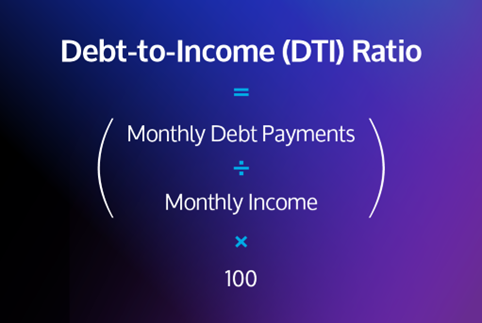
One of the most important parts of assessing your business’s borrowing capacity and financial health is the debt-to-income (DTI) ratio, which measures how much revenue your business earns in a given month compared to how much it spends over the same month on debt-related payments. For example, if your business’s monthly income is $100,000 and you spend $25,000 on debt payments each month, your DTI ratio is 25%.
Guidance around a healthy DTI ratio for a small business varies. Generally, a lower ratio may improve your chances of qualifying for financing and securing more favorable loan terms and interest rates. However, the ideal ratio also depends on your industry, business model, and the specific requirements of different lenders.
Your business’s DTI ratio is a good indicator of whether or not you’ve taken on too much debt compared to your revenue, and whether you can comfortably manage your existing debt obligations while still being able to fund operations and growth. As such, understanding your DTI ratio is crucial for making informed decisions about when to take on additional debt and how much overall debt your business can handle.
Because revenue and debt payments can vary from month to month, regularly monitoring your business’s DTI ratio is critical to gaining a clear picture of your borrowing capacity over time and making adjustments as needed to prevent financial strain. Accurate, ongoing awareness of your DTI ratio enables you to make informed borrowing decisions.
Healthy Debt Versus Risky Debt
For small businesses, it’s not just about knowing how much debt you can afford to take on; it’s also critical to be able to distinguish between healthy debt and risky debt. The difference between these two types of debt largely centers around the terms of a loan and why you're borrowing the money in the first place.
Healthy debt typically has these characteristics:
- Funds assets, projects, or expansions that are likely to generate financial returns that are greater than the cost of borrowing
- Has manageable terms including reasonable interest rates and repayment schedules
- Is likely to contribute to long-term business growth, productivity improvements, or cost reductions, based on realistic financial projections
Examples of healthy debt include loans for purchasing or upgrading equipment to increase productivity, financing expansion into new markets with proven demand, and acquiring inventory to fulfill existing customer orders.
Risky debt, on the other hand, often involves borrowing at high interest rates, taking on debt to cover everyday operating expenses, or racking up multiple loans without a clear repayment strategy. This type of borrowing can have serious consequences that can undermine your business's stability and future growth potential—and even threaten its ability to continue operating.
Talking to a banking professional could help clarify specific loan details and help you choose the right path for your business.
Optimize Debt for Sustainable Growth
When taken on and deployed wisely, debt might give you access to the capital you need to fund critical purchases, investments, and initiatives while maintaining the cash reserves and financial stability to fund day-to-day operations.
Here are some important overall considerations to keep in mind when optimizing your small business’s approach to debt:
- Set clear objectives for borrowed funds. Before applying for a loan, set specific, measurable criteria for how the financing will benefit your business. This ensures that the debt will help accomplish your business priorities rather than becoming a financial burden.
- Match debt type to business needs. Different financing options—for instance, term loans, lines of credit, equipment financing, and Small Business Administration (SBA) loans—are designed to serve different purposes and thus have varying costs and benefits. Pick the type of loan that’s the right fit for your business’s specific needs.
- Focus on ROI. When considering a loan, calculate a realistic estimated return on investment (ROI) for the projects or initiatives associated with the debt. Only borrow if the projected ROI exceeds the total cost of the loan.
- Maintain a strategic debt-to-equity mix. Remember that debt is not the only type of financing available to a business. A healthy balance between debt and equity financing provides resilience against market fluctuations and economic uncertainties.
By following these key principles, you could use debt as a powerful strategic asset that fuels your business's long-term success.
Building a Stronger Business Through Smart Debt Management
Regular assessment of your financial position, including your debt obligations and repayment capacity, ensures that your borrowing remains aligned with your evolving needs and goals and ultimately helps build a stronger, more competitive business.
Remember that smart borrowing isn't about avoiding debt entirely; it's about using debt wisely to seize opportunities, power growth, build resilience, and help your business succeed over the long term.
Get a View of Your Business’s Financial Health
Smart borrowing starts with understanding your debt-to-income ratio. Is your business leveraging debt wisely? Take our interactive quiz to assess your financial health and make informed decisions for sustainable growth.
For personalized guidance on smart borrowing for growth strategies, contact a banker today.
topic :
- Small Business
media :
- Article
